
Tehya is Tired of…Demonizing the Color Pink
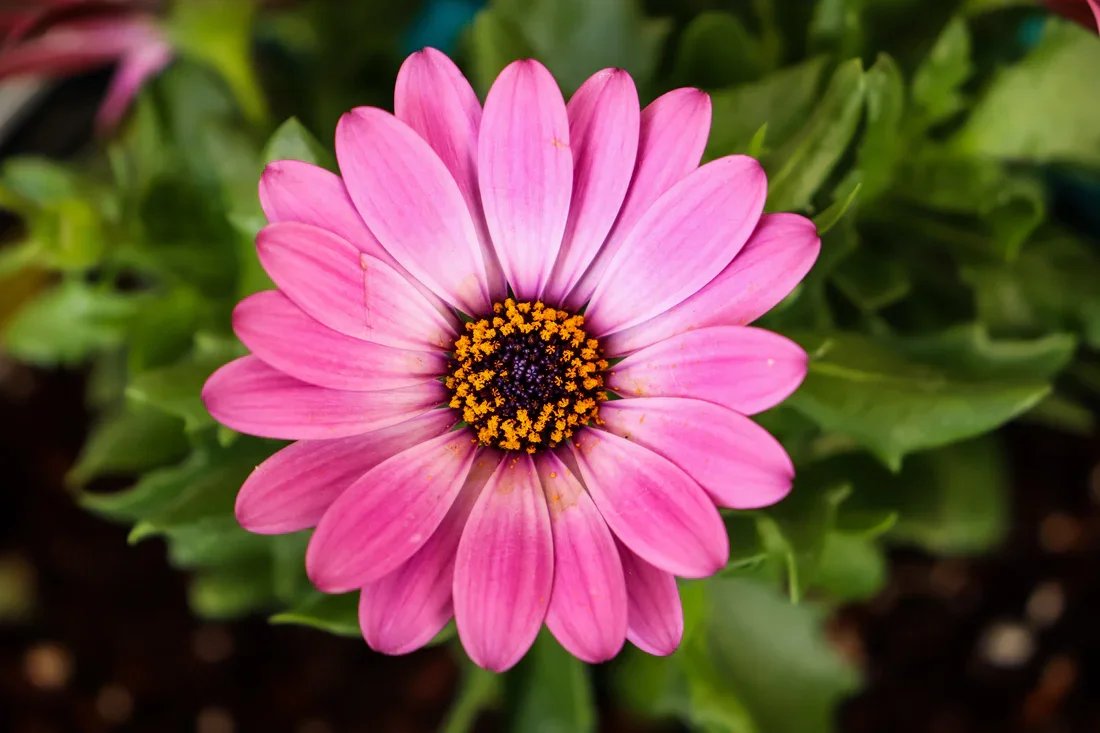
Tehya is Tired of…Demonizing the Color Pink
Written by Tehya Tenasco
Last summer, I stepped outside my comfort zone and worked as a camp counselor for my hometown summer recreation program. I was in desperate need of a second job, and knew some high school friends who had been working at the camp for the past couple summers. I was lacking in childcare experience, but I figured the most redeeming quality one could possess when working with children was practicality. As long as I kept my head on straight when those elementary schoolers started acting up, I would survive three months under the scorching sun.
I noticed an immense amount of negativity within the group of children I was assigned to lead. I expected second graders to be outspoken and opinionated, but these kids were hateful, sometimes oppressively so. Mad at their peers, mad at the adults in charge, violent when they were told “no”, and violent when asked to complete tasks that were intended to be fun. I recalled many of the little girls I spoke with despising the color pink. Refusing to wear pink, color with pink markers, and making disgusted faces when I expressed my love for the color.
When I approached my fellow counselors about these negative mindset issues, I was asked: Why are you taking them so seriously? They’re just kids. Suddenly, I was flung back to my formative years when my anxieties and general interests were not taken seriously by educators I was told to trust. I was utterly dumbfounded. Wasn't I more than a body to make sure these kids behaved? Wasn’t I urged to inquire about their statements? And look deeper into what might be plaguing this increase in hateful perspectives?
The color pink has been negatively associated with femininity for decades. From pink parasols to pink poodles with bright pink bows, the color has been gendered beyond oblivion. This aversion towards the color in young girls is more than simple distaste, it’s the result of a socially gendered upbringing intent on young girls adopting passive traits. Weak traits that interpret any actions of resistance as “unlady-like” or “difficult”.
I’ve noticed that the Pink Hate Train is frequent in elementary to middle school aged girls. They tell people their favorite color is purple or blue, any color but the one they were raised to associate their physical and psychological attributes with. By denouncing the color from every aspect of their lives, young girls believe they will be seen as more than just “girls”, but rather real people with developing personalities, opinions, and ideas of femininity beyond its traditional qualities.
I too was guilty of this phenomenon in elementary school. Though my favorite color has always been yellow, I thought that if I expressed my affinity for pink in any capacity, then I would automatically be viewed as part of a monolith; just another girl who likes pink. But I was so much more than that, so why should I allow a color to dictate my internal and external world?
Today, I view pink as the color of courage and strength, internal capability and external understanding, and have begun incorporating that shade into my wardrobe more. Though I will not be returning as a counselor to my hometown’s summer camp this year, I hope the little girls I met discover that pink holds more power than they realize.