
Limited Edition Lit: The True Cost of Your Shelves
Limited Edition Lit: The True Cost of Your Shelves
Written by Lauren Mallett
Photographed by Lauren Mallett
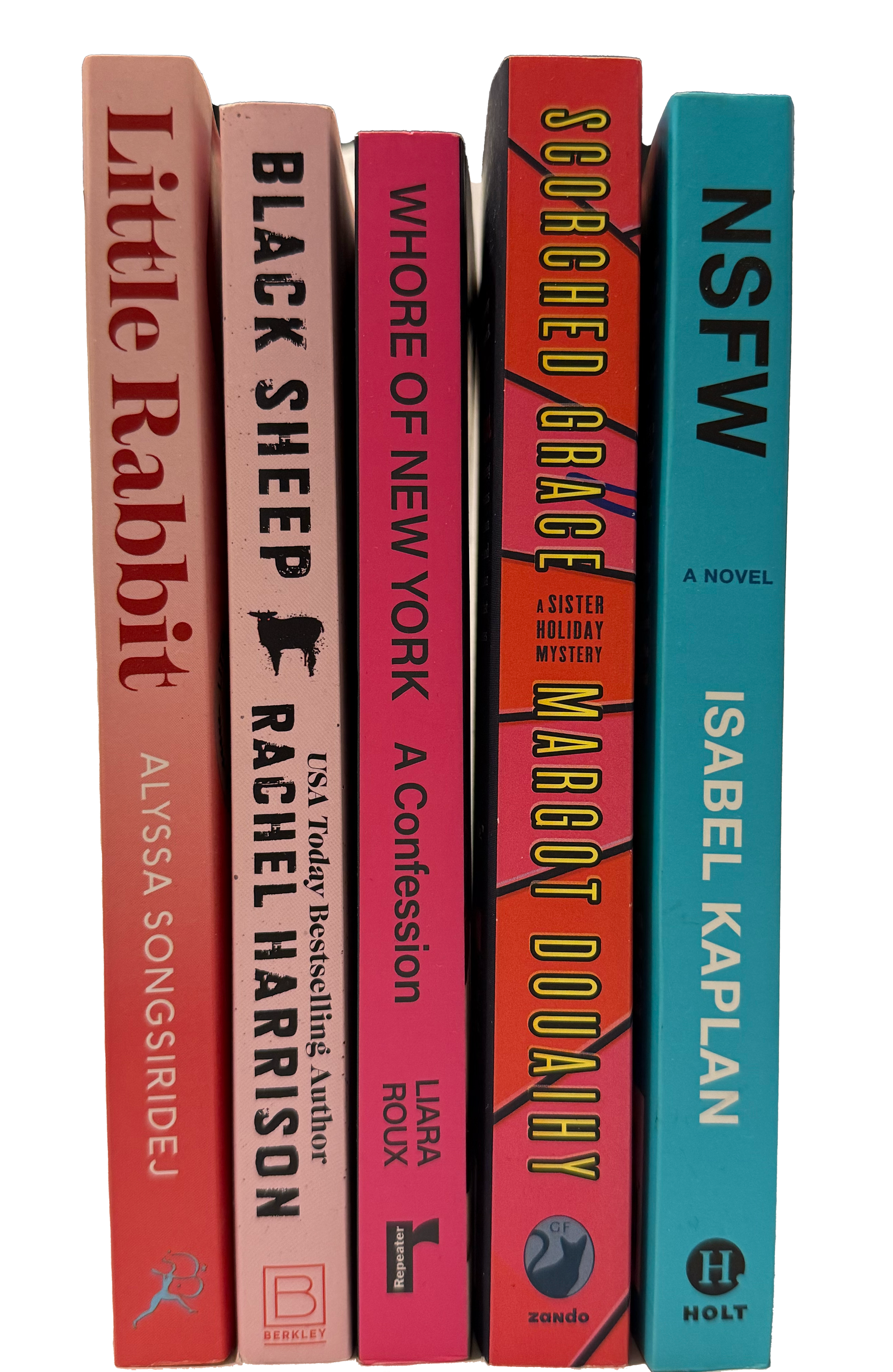
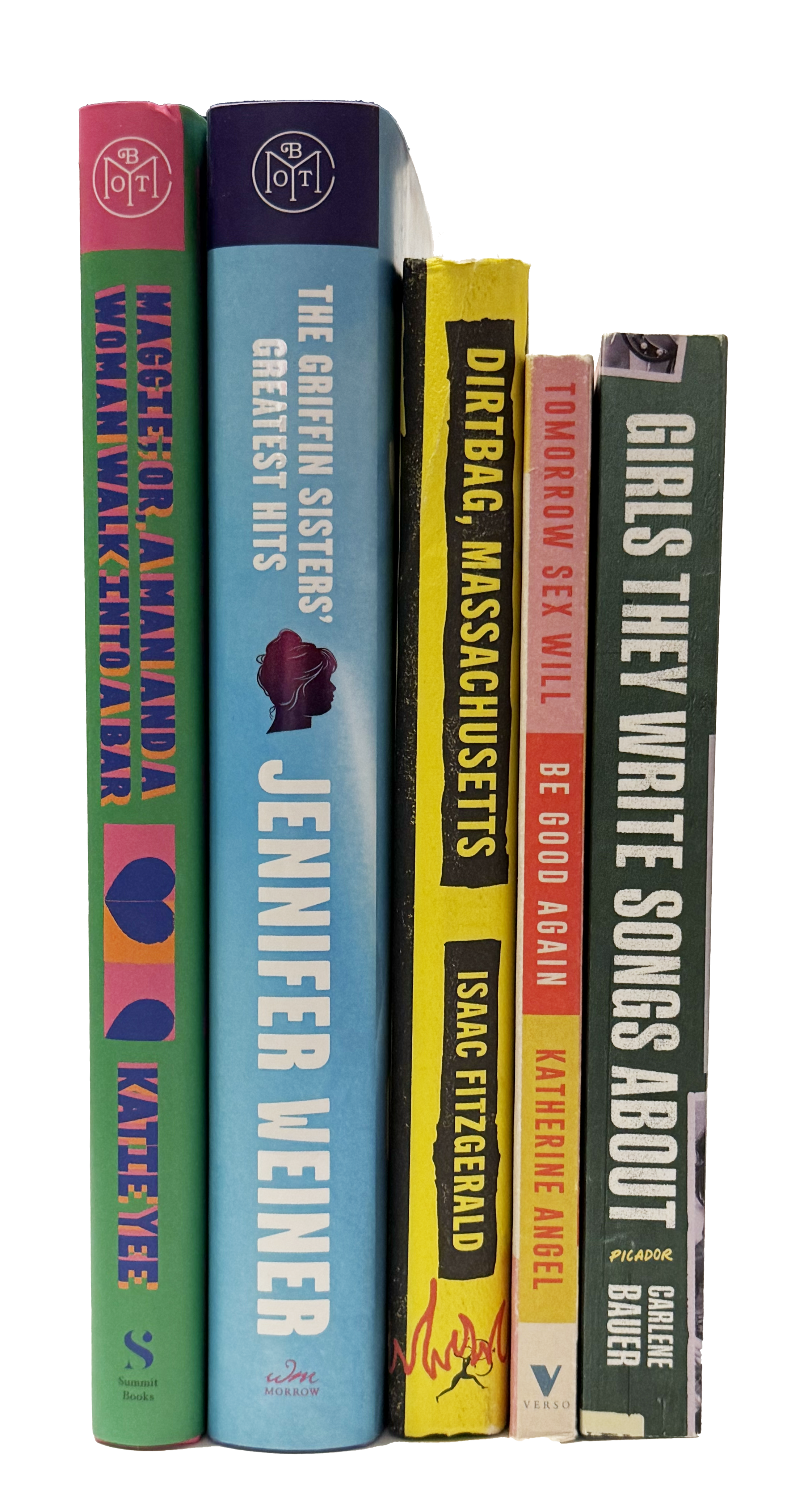
Within popular culture, there is a perceived notion that books are special, that they are inherently different from other commodities available on the mass market. Ideas like this are perpetuated by social narratives of class and status. Historically, literature has been seen as a higher art form, reserved for the privileged few. Even the ability to read was reserved for those of upper class and high social status. A large collection of books was viewed as a symbol of knowledge and wealth.
So how does this notion persist in a world where books are more accessible than ever? It continues just how it always has: by creating division and constructs of status. An orange is always an orange, and any bar of soap is just that, a bar of soap. Most commodities are viewed purely for their function, their value derived from their simple purposes. Books, however, have their own lives beyond their basic purpose of spreading knowledge and ideas. Anyone can walk into a library and pick up a tattered, worn-out copy of The Lord of the Rings held by hundreds of hands before their own. Not everyone can afford to purchase their own copy, let alone the limited-run, leather-bound anniversary edition with gilded pages and exclusive illustrations. With books, there is an idea of exclusivity. The modern day publishing industry relies heavily on individuals’ desires to obtain this exclusivity, to feel special. Cultural focus on aesthetics and visual appeal has transformed the very nature of a book into something more. The focus has shifted from the contents within the pages to the beauty and intricate details of the covers they are held by. We no longer subscribe to the notion of not judging a book by its cover; in fact, that is now precisely what we do.
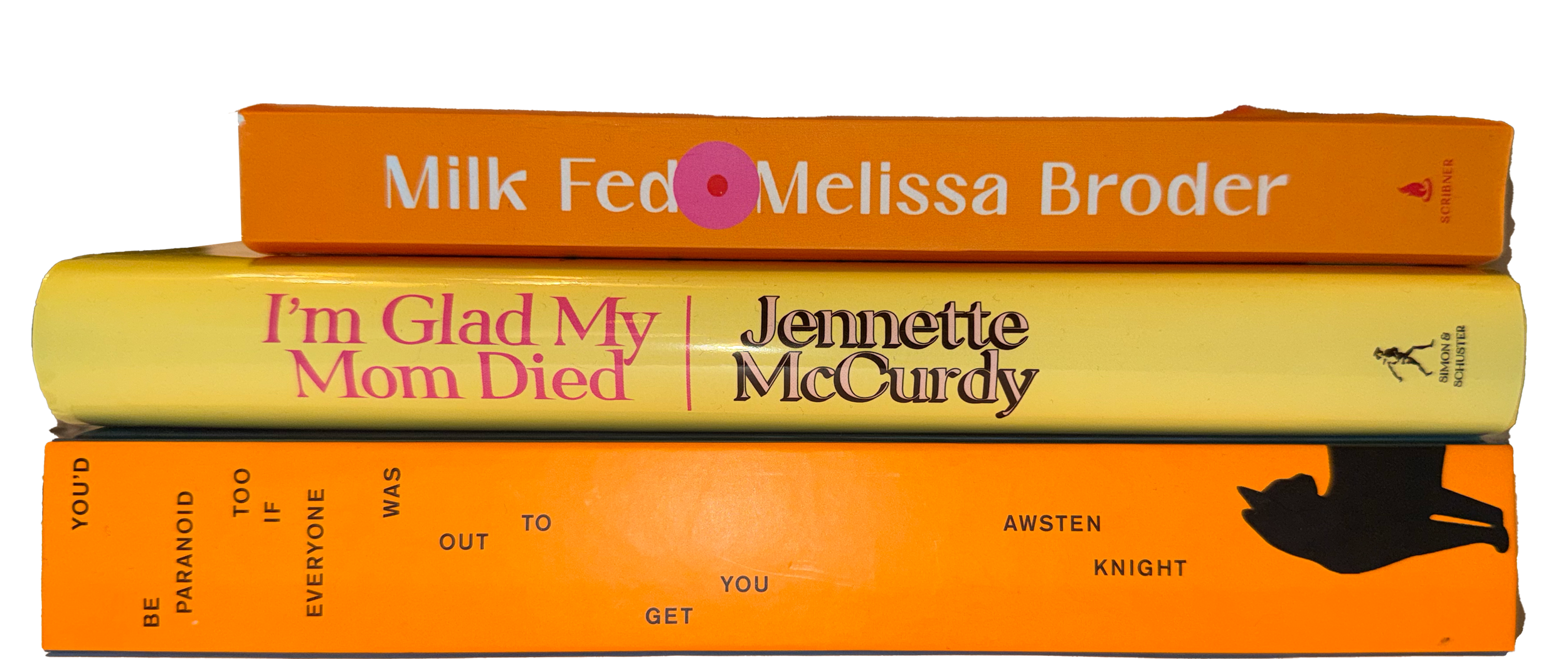
“BookTok” influencers pride themselves on their pristine collections of aesthetically satisfying books, encouraging viewers to shell out a few extra dollars they may not have to purchase that Barnes & Noble exclusive edition with edge printing and “bonus content.” No longer is a book valued by the story it tells or the knowledge it shares, but by how others perceive oneself for owning a certain copy in a certain condition. According to a survey by the U.S. Bureau of Economic Analysis, consumer expenditure on recreational books in the U.S. sat at nearly $31 billion in 2024, the highest recorded data in the whole set, going back to 1999. Americans are spending record amounts of money on books, and when you look at the breakdown, there’s a noticeable trend in which types of books are being purchased. Publisher’s Weekly published a survey by Nielsen that shows the difference in units sold of books between 2013 and 2021. For trade paperback books, there was an increase by 40.8%; hardcovers increased by 48.5%; meanwhile, mass-market paperbacks decreased by 52.2%. Consumers are no longer buying the affordable options on the shelves, rather, they’reopting to pay higher costs for the books that are seen as “better,” focusing on the perception rather than the value of their spending.
Though this concept is heavily driven by consumerism and capitalist culture, it is not purely on the consumer’s side. Many publishing houses have noticed these trends toward aesthetic priorities and have used that for gain. Even legacy brands such as Chambers and Penguin Random House have played into this, focusing on making their existing backlist books look as pretty as possible in new, exclusive editions (see the PRH Clothbound Classics being pushed at Barnes & Noble), rather than investing these funds into publishing new works, or toward making existing ones more affordable and accessible. These houses are keenly aware of how people view a new, fancy edition of a book in comparison to something old or used, and they profit off of that, even when it can come at the detriment of consumers and readers.
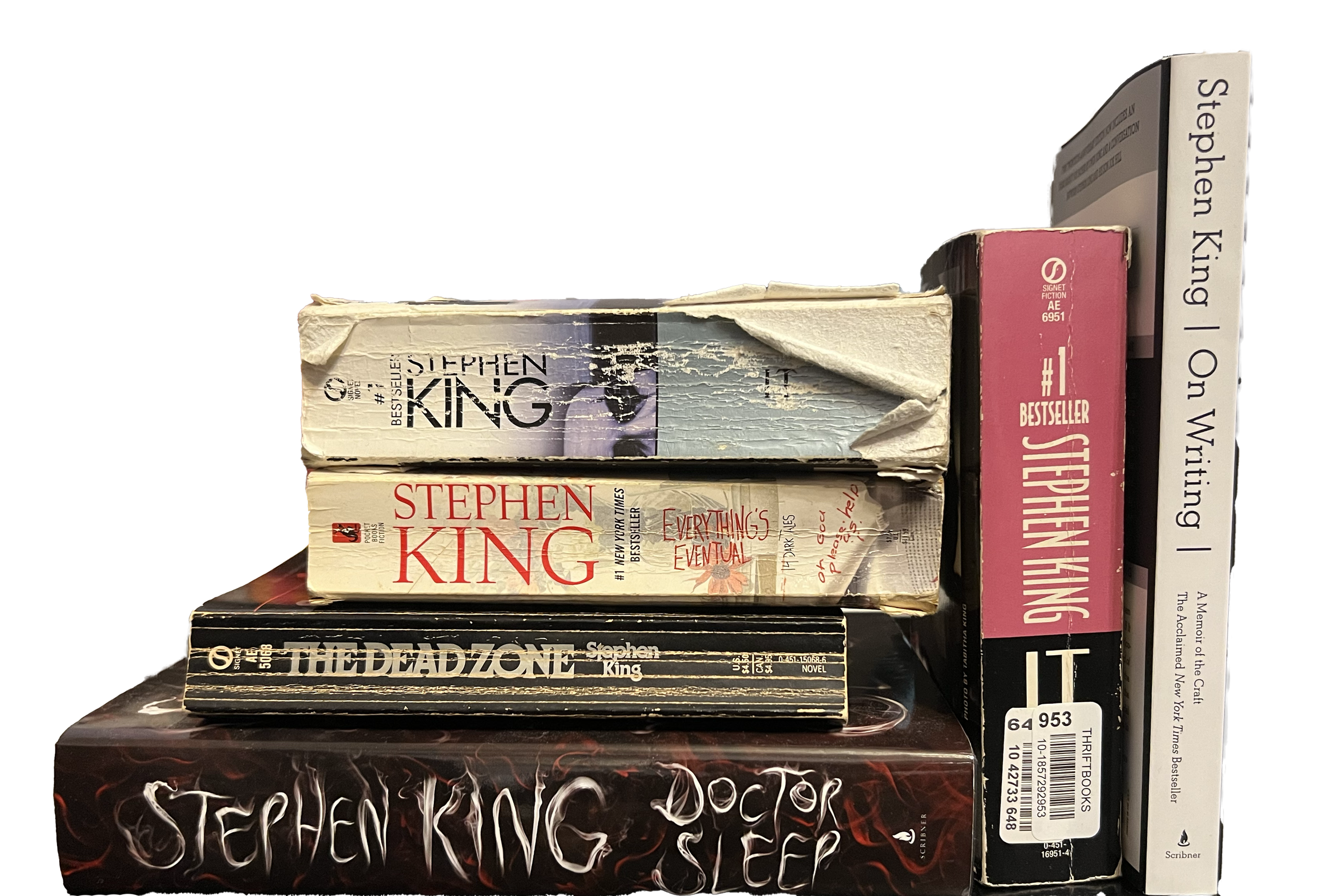
For book enthusiasts, there is such a pressure to own books, and to have brand-new matching collections. Having those overflowing bookshelves of exclusive editions that all fit into one’s personal aesthetic is the new symbol of status, of what makes a “reader,” regardless of whether one is actually reading the books they buy. A book, like any other commodity, should be valued by its purpose, not its supposed status. A book is meant to spread knowledge, to share ideas, and inspire creative thought, and any book can do that—whether it’s a $40 hardback signed by the author, or a well-loved and repaired mass-market paperback borrowed from a public library. So while books are treated as highbrow, they fundamentally are not, and it is up to a new generation of publishers to refocus the value of books on their contents and bring accessibility back into reading. While that new generation rises through the ranks, there are many ways to bring casual reading back into your own life. Go to your local library; in most—if not all—places, it is completely free to obtain a library card and borrow books. There are also apps and websites that allow you to borrow books from your library digitally if you aren’t able to go physically or have difficulties with print books. Find a friend and shop each other’s shelves for your next read, or spend some time in your local cafe if they have a shelf for patrons to peruse. There are so many books in the world, and they can be found all over. Reading does not have to become an expensive hobby; it’s up to readers all over to show ourselves and each other just how powerful our community can be.