What’s Your Body Count?
You find yourself thinking: why is it so difficult to admit to my body count?

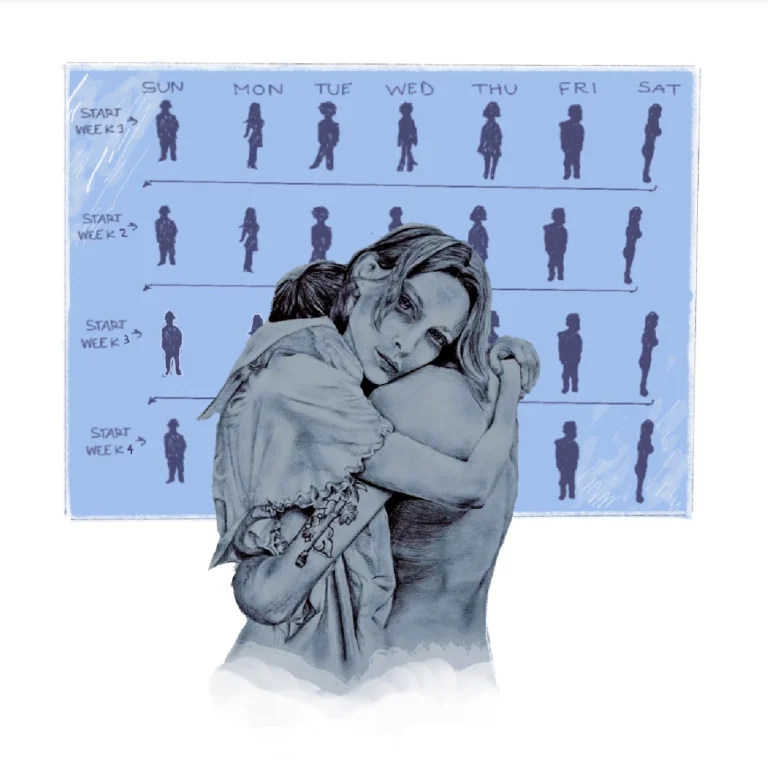
You find yourself thinking: why is it so difficult to admit to my body count?

The expression of independence is a growing narrative within society, with more and more people owning their sexuality and pleasure. It’s liberating, but it also creates two poles of relationships: the casual and the serious.
The first man I became romantically involved with was 19 years old when I met him. I had freshly turned 15 at the peak of our relationship, and to make matters worse, he was my theater camp counselor.

Lots of people covet melding pain with pleasure by imprinting marks in this way. In fact, the close connection between pain and pleasure bases itself in science.
After an uncomfortable, honest discussion, I told Rodgers that although I did like him, we were just too sexually incompatible and that I didn’t think we should continue seeing each other.

I have plenty of my ex-boyfriends’ clothes. A navy reversible Lacoste coat, a vintage striped red knit Ralph Lauren sweater, a big gray T-shirt with the words “PEACE TAKES COURAGE” sprawled across the chest. I wear them all the time.

Reuniting and settling down with the person on the receiving end of our first genuine “I love you” is a sweet thought. In the chaos that is one’s often lifelong experience with love, dating, and sometimes marriage, defaulting to the partner who introduced us to all these feelings may seem like a scenario straight out of a dream.
All of our intentions are harmless. We don’t deliberately choose to introduce these falsehoods into the relationship. The problem really lies in the fact that we all adopt personas to please our partners, so we aren’t presenting our genuine selves.

Dating as a bisexual is difficult. You’re figuring out your own sexuality, figuring out somebody else’s, figuring out who you are with a person, and figuring out what you really want