I Have a Problem With True Crime (And You Should Too)
There’s a fine line between investigative journalism and creating a spectacle of someone’s death or disappearance. And that line is often public involvement.


There’s a fine line between investigative journalism and creating a spectacle of someone’s death or disappearance. And that line is often public involvement.
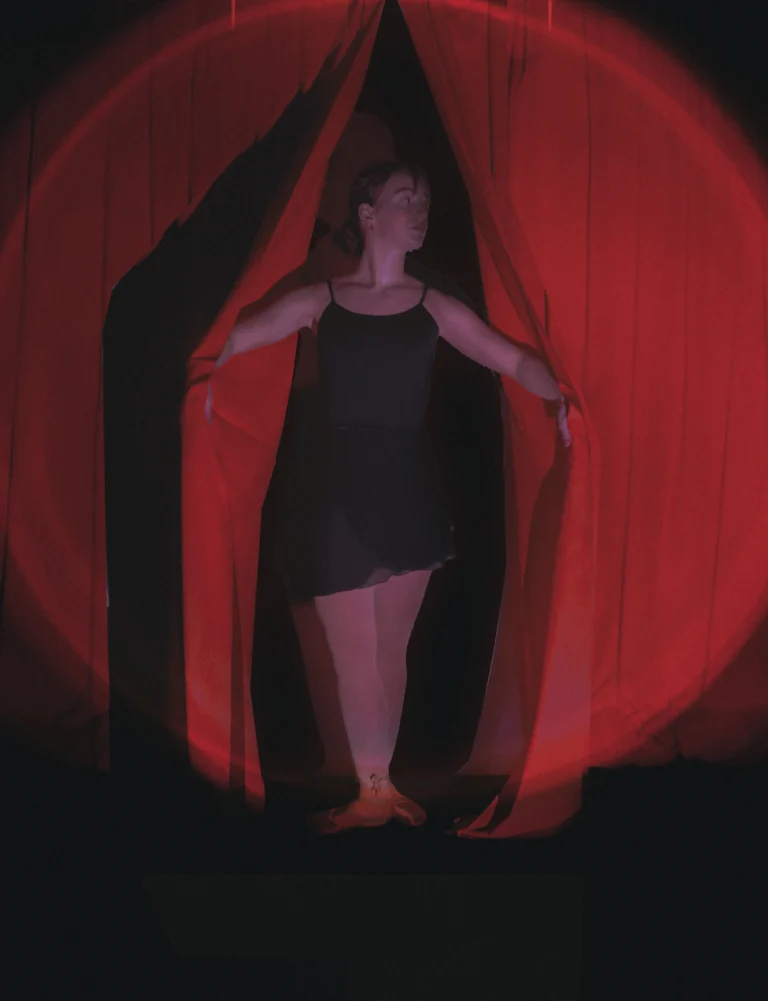
How are you supposed to feel like you’re in the Land of the Sweets with Clara when the person next to you is playing Candy Crush with their brightness turned all the way up?
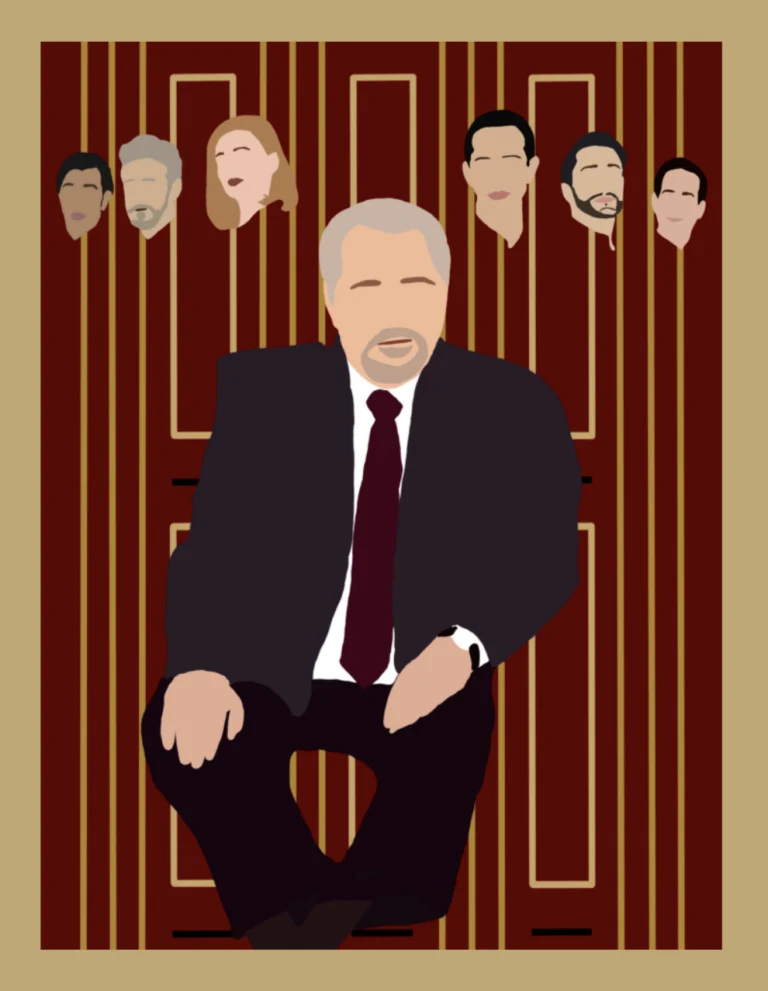
The very idea of centering an entire series around an entirely white, out-of-touch, filthy rich, and ethically rotten family, such as the Roys, seems like it would spell out a show’s death sentence due to a perceived lack of viewer empathy.

Maybe a modern actor’s face can take away from one’s viewing experience, but there are certainly better ways to express that feeling than the easy out of diagnosing “iPhone face.”
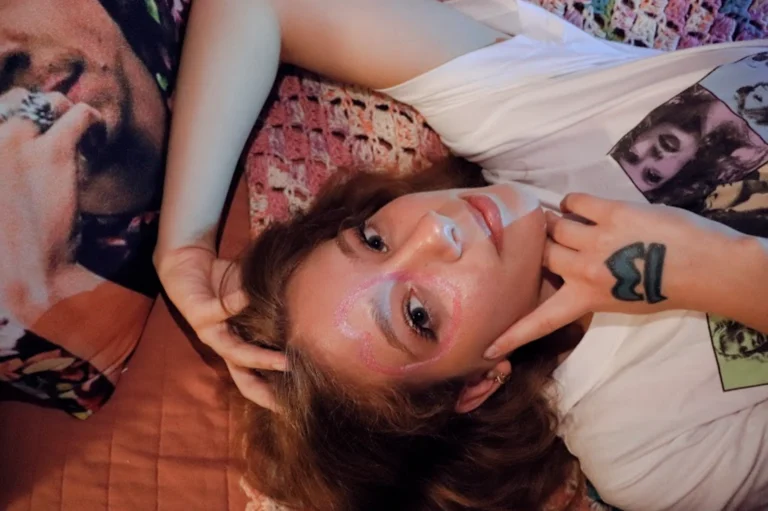
There is only one difference between a woman wearing a pink boa to a Harry Styles concert and a man painting his face for a football game: simply, he is a man.
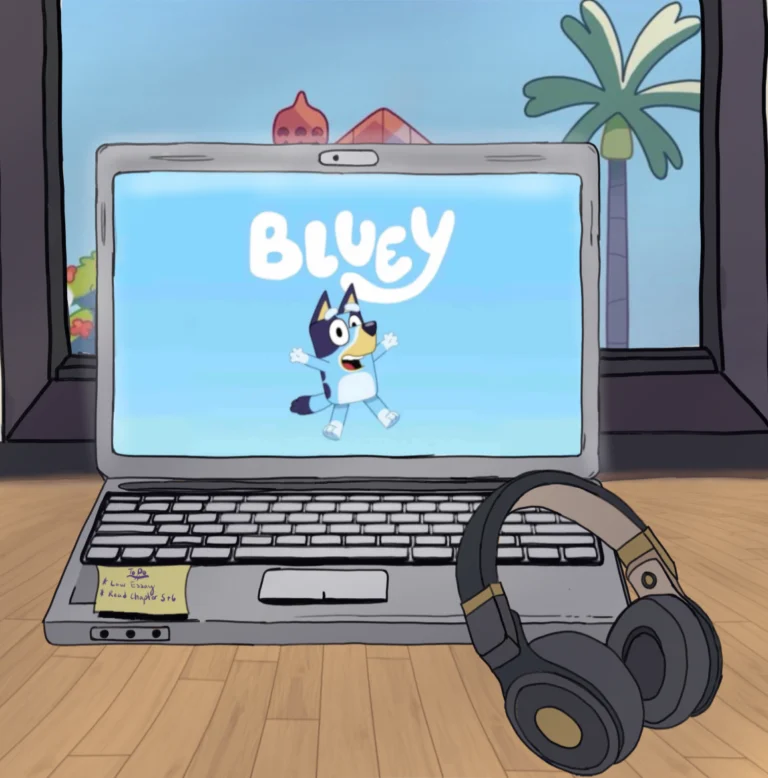
When the world around me feels overwhelming and chaotic, Bluey provides a calming and reassuring escape, reminding me of the importance of family, love, and empathy.

Vocal warm-ups, tap lessons, improvisation games, itchy costumes, hairspray—mundane things that I took for granted—vanished from my life.
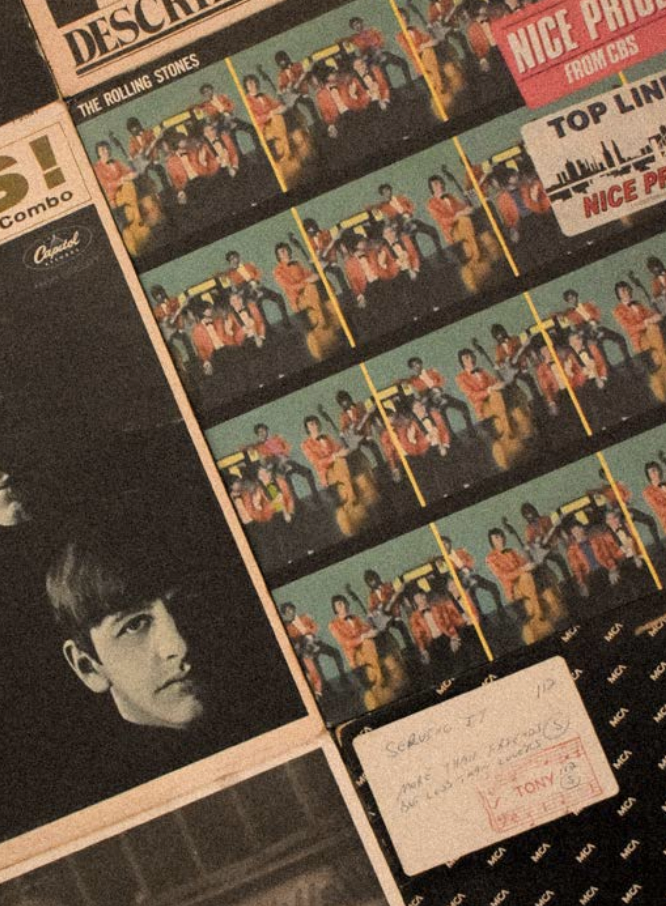
During a period when I struggled with intense self-doubt, my dad showed me the therapeutic nature of live music. The concerts we shared together were transformative.
Ad-libs, also known as words delivered spontaneously in speech, are the cherry on top. Born out of feeling intense rhythm, they beat and fill the flow of the music we’re bumping today.